Oakwise Press
The Old-Time Pantry

Fill your shelves like your great-grandparents did.

150 skills to grow, keep and cook your own food. One illustrated page per skill, tested methods, no guesswork.

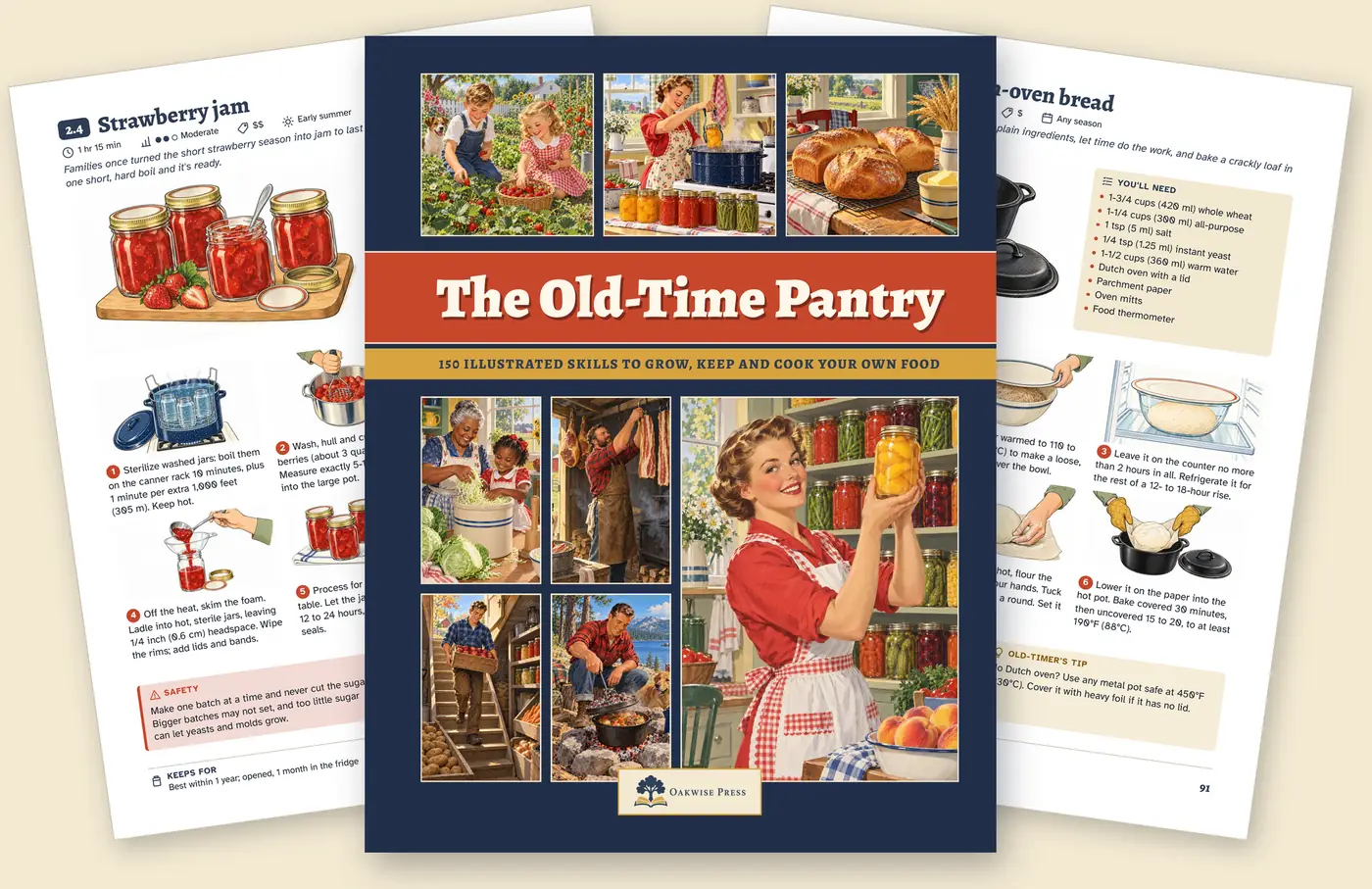
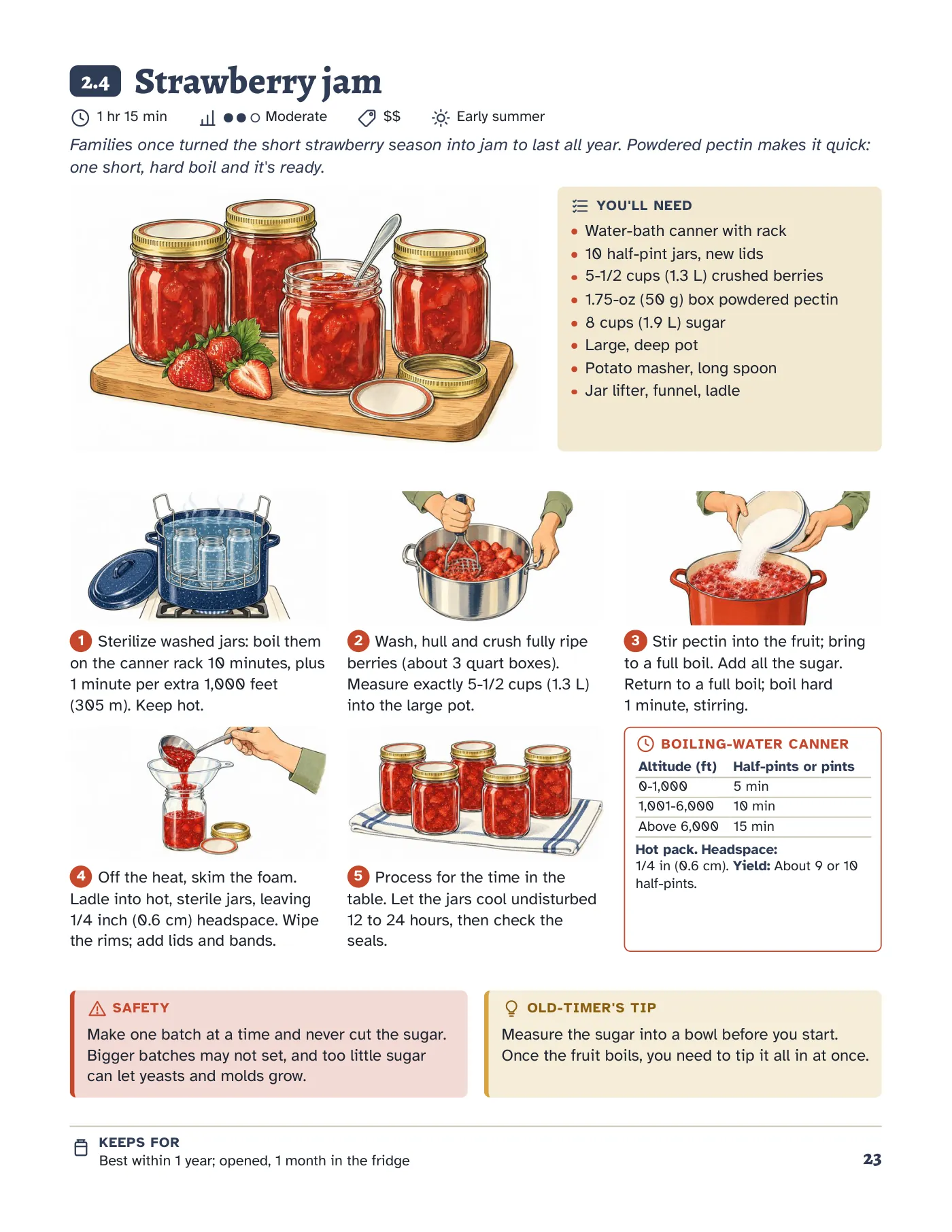
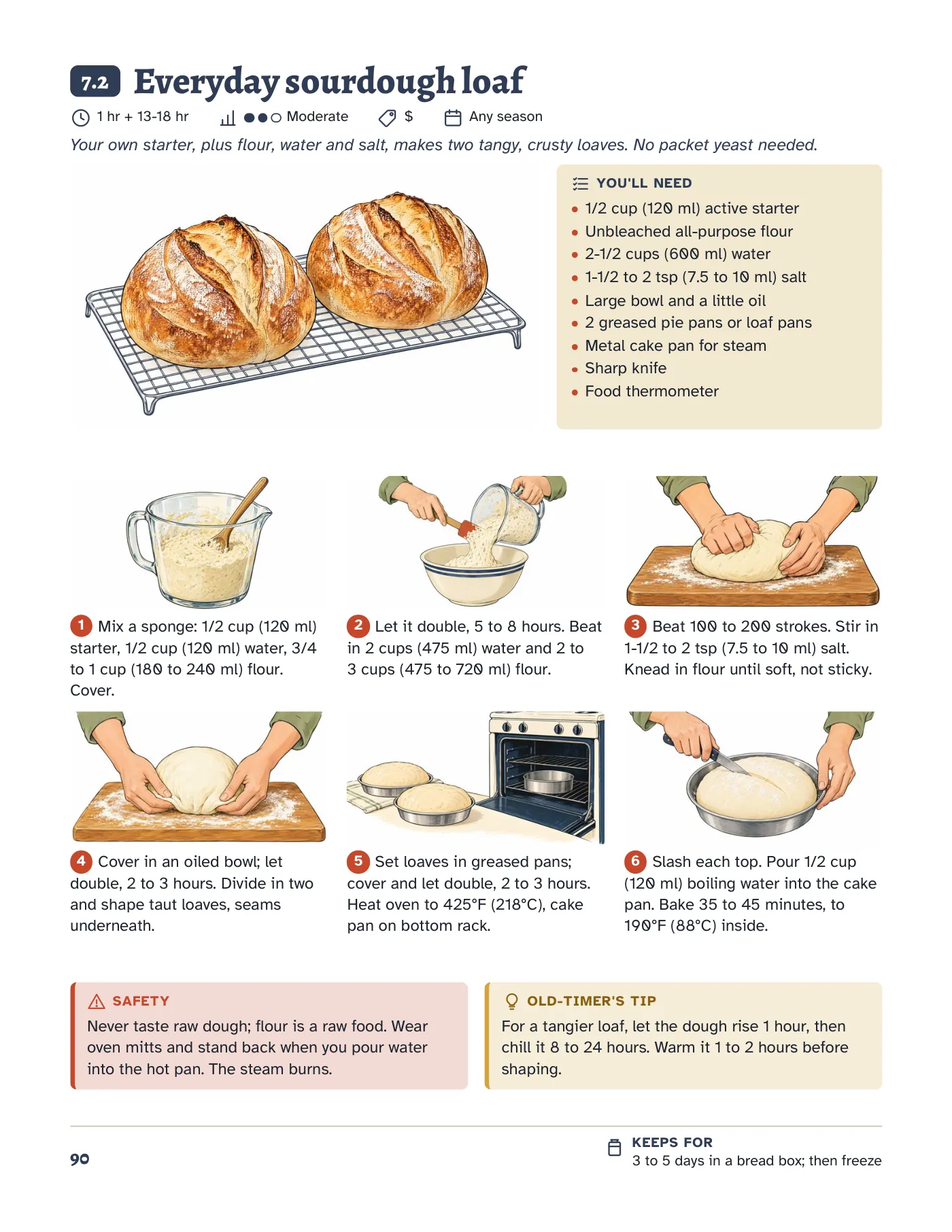
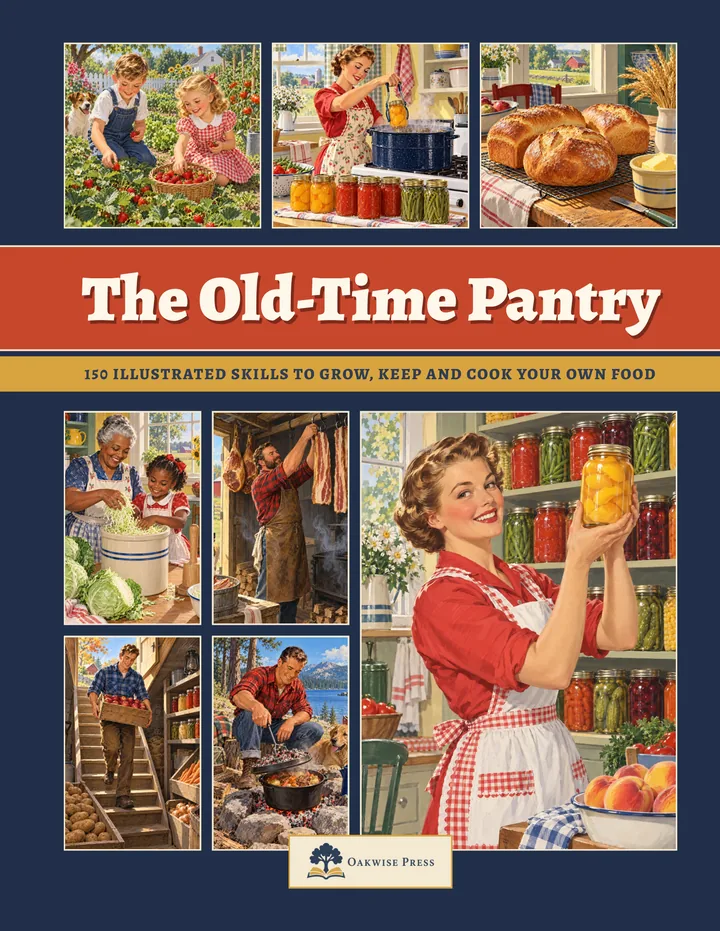
The front cover of The Old-Time Pantry, with two real pages from inside fanned out behind it: Strawberry jam (page 23) and No-knead Dutch-oven bread (page 91).
Get the ebook – $19(checkout opens soon) Want it in print? Join the waiting list

A PDF of the whole 176-page book, for any phone, tablet or computer. Price in US dollars.

  • 176 pages
  • 150 skills
  • Instant download
  • 60-day money-back guarantee
What's inside

12 chapters, 150 skills, one page each

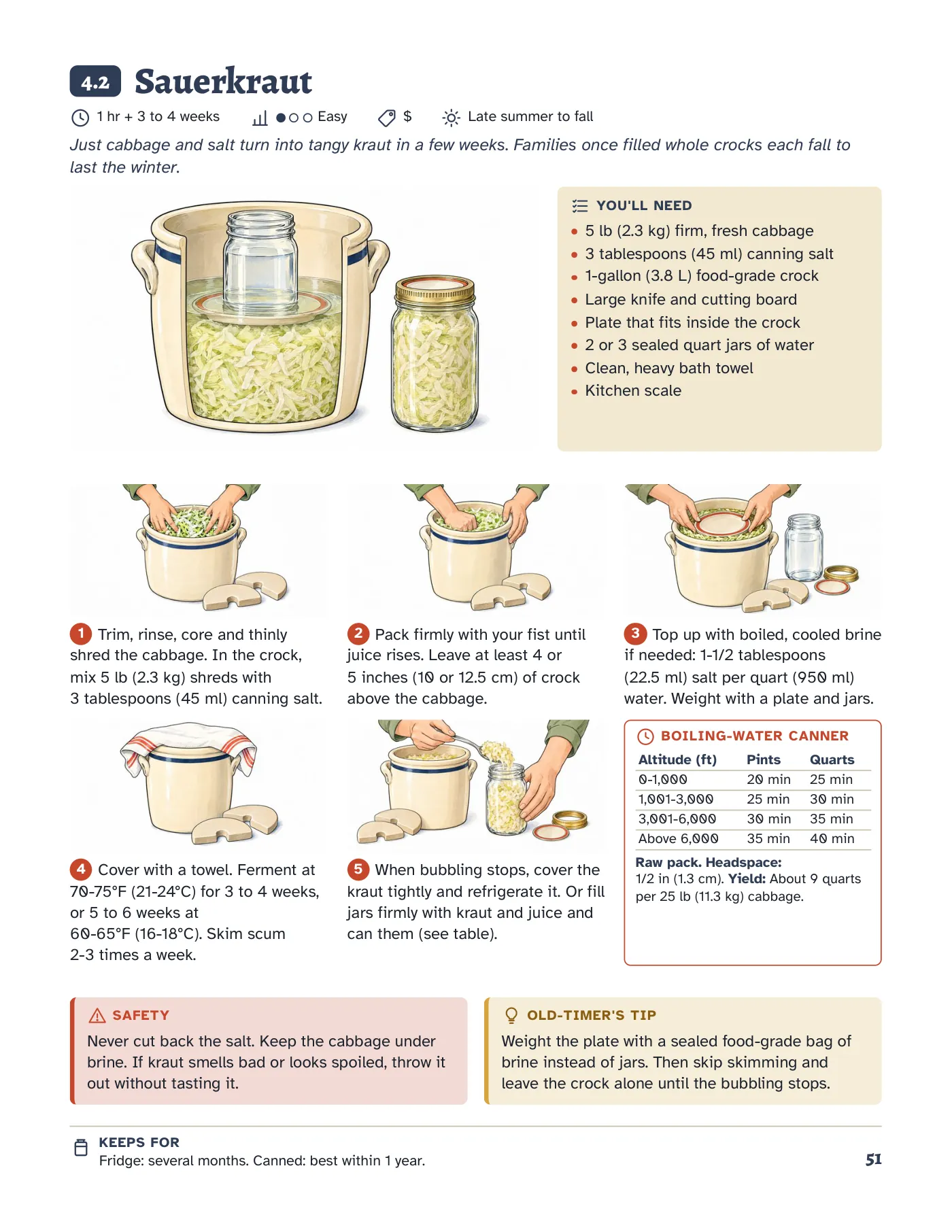
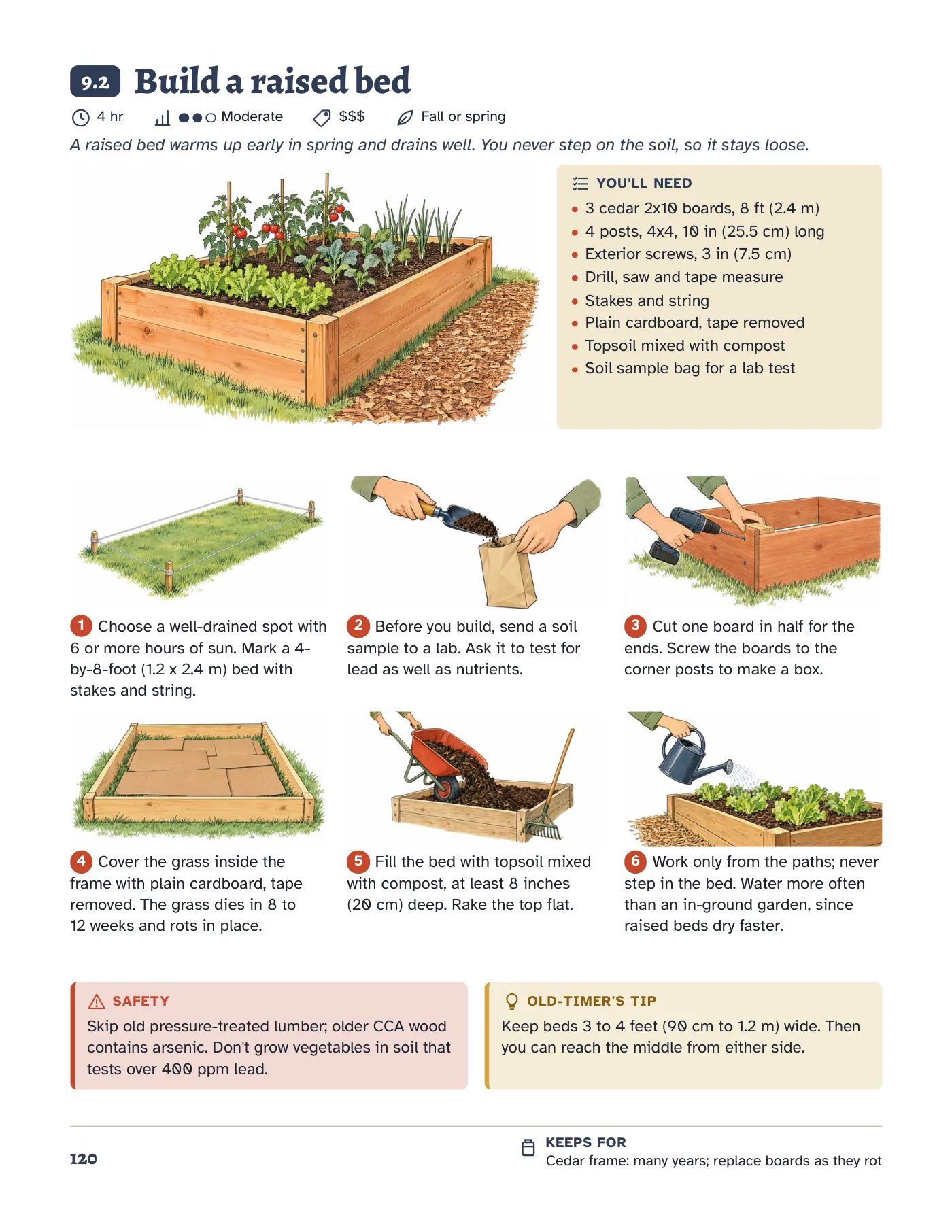
Each skill fills one page: a large picture of the finished food or the key step, a list of what you need, and 4 to 6 numbered steps, each with its own small picture. Canning pages also give the tested processing time for your altitude.

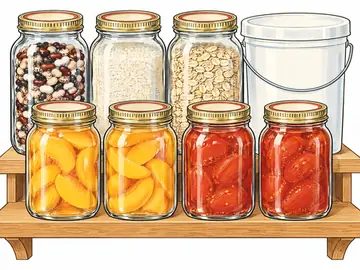
  1. Jars of peaches, tomatoes, beans and grains on a pantry shelf
    Chapter 1Pantry Planning & Storage10 skills
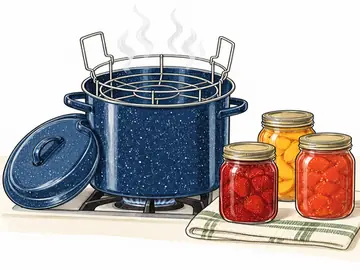
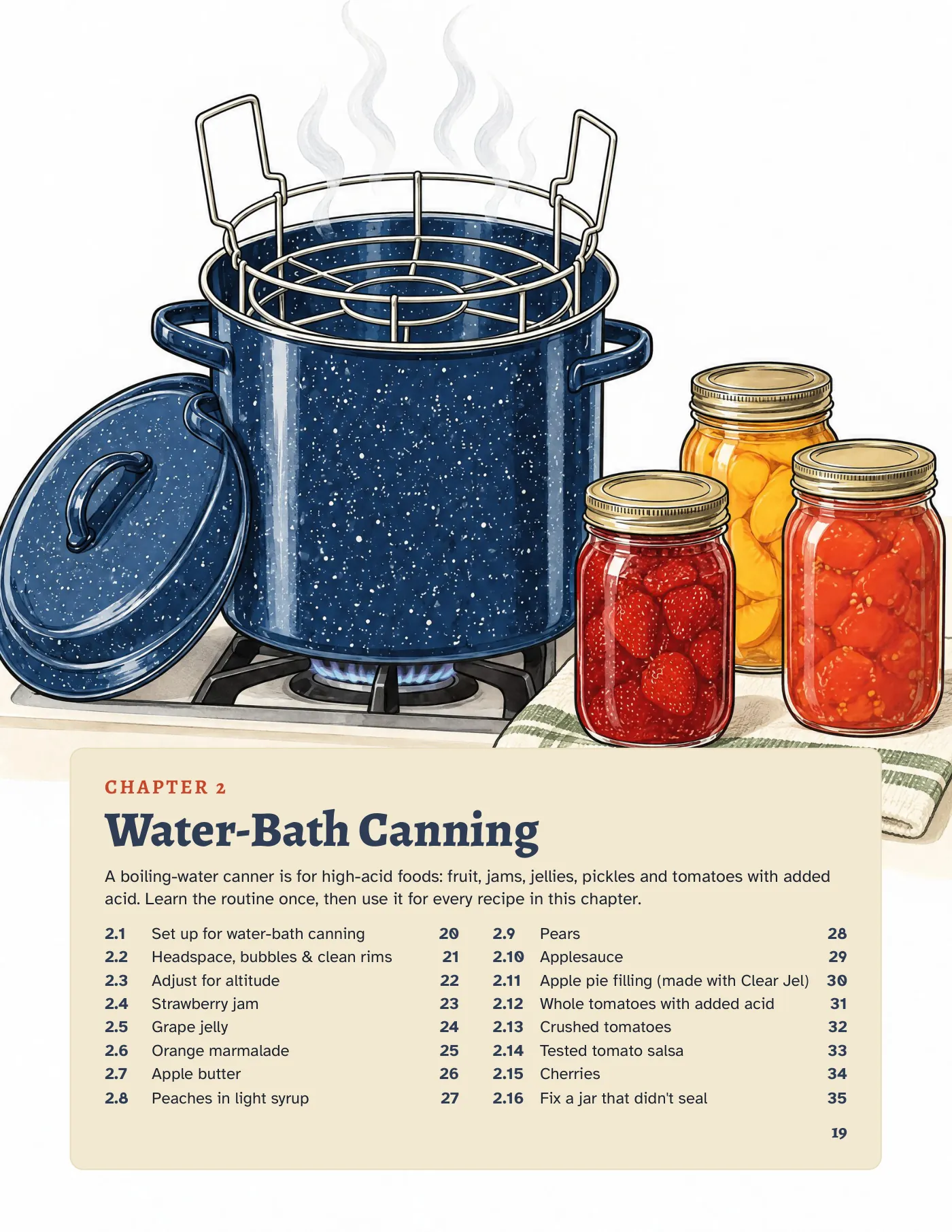
  2. A water-bath canner with its rack beside jars of jam and peaches
    Chapter 2Water-Bath Canning16 skills
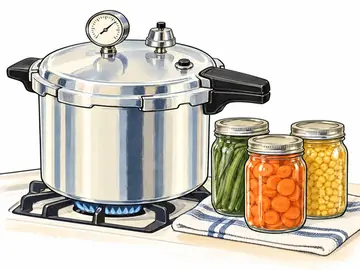
  3. A pressure canner beside jars of green beans, carrots and corn
    Chapter 3Pressure Canning12 skills
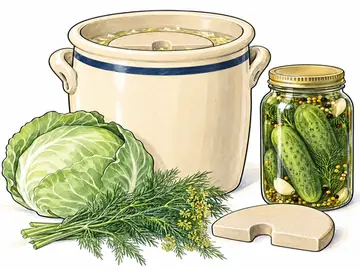
  4. A fermenting crock with cabbage, dill and a jar of pickles
    Chapter 4Fermenting & Pickling14 skills
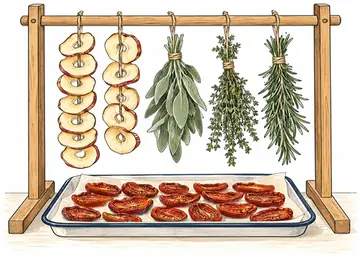
  5. Apple rings and herbs hanging to dry over a tray of tomatoes
    Chapter 5Drying & Dehydrating12 skills
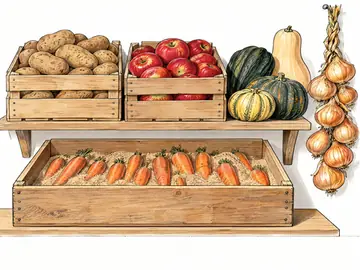
  6. Crates of potatoes, apples and carrots with squash and onions
    Chapter 6Root Cellars & Cold Storage10 skills
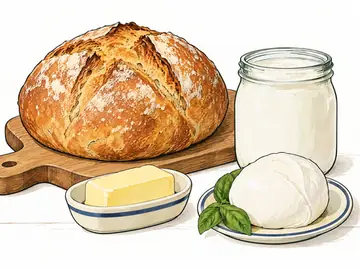
  7. A loaf of bread with butter, a jar of milk and fresh cheese
    Chapter 7Bread, Butter, Cheese & Dairy16 skills
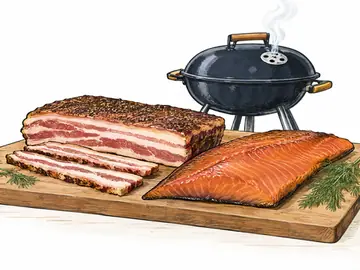
  8. Slab bacon and smoked salmon on a board, with a grill behind
    Chapter 8Curing & Smoking12 skills
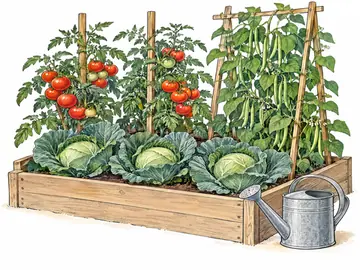
  9. A raised bed of tomatoes, beans and cabbages with a watering can
    Chapter 9Growing Pantry Crops14 skills
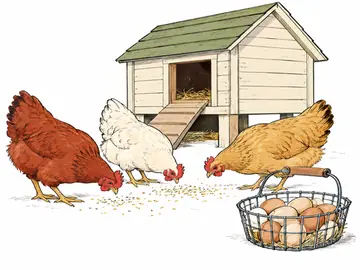
  10. Three hens by a small coop and a basket of eggs
    Chapter 10Backyard Eggs8 skills
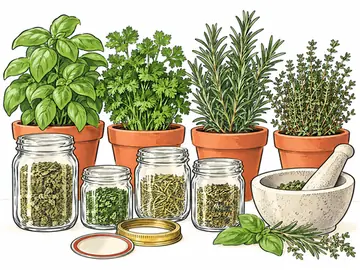
  11. Pots of basil, parsley, rosemary and thyme with jars of dried herbs
    Chapter 11Kitchen Herbs & Seasonings12 skills
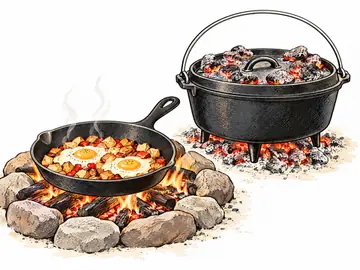
  12. A skillet and a Dutch oven cooking over a ring of hot coals
    Chapter 12Off-Grid Cooking14 skills
See all 150 skills

1. Pantry Planning & Storage

  1. 1.1 3-month pantry plan
  2. 1.2 First-in, first-out shelves
  3. 1.3 Bug-proof flour, rice & oats
  4. 1.4 Mylar bags & oxygen absorbers
  5. 1.5 Food-grade buckets
  6. 1.6 Sugar, salt, honey & vinegar long-term
  7. 1.7 Pantry inventory that stays current
  8. 1.8 Store jars the right way
  9. 1.9 Spot a spoiled jar
  10. 1.10 Keep mice & moths out

2. Water-Bath Canning

  1. 2.1 Set up for water-bath canning
  2. 2.2 Headspace, bubbles & clean rims
  3. 2.3 Adjust for altitude
  4. 2.4 Strawberry jam
  5. 2.5 Grape jelly
  6. 2.6 Orange marmalade
  7. 2.7 Apple butter
  8. 2.8 Peaches in light syrup
  9. 2.9 Pears
  10. 2.10 Applesauce
  11. 2.11 Apple pie filling (made with Clear Jel)
  12. 2.12 Whole tomatoes with added acid
  13. 2.13 Crushed tomatoes
  14. 2.14 Tested tomato salsa
  15. 2.15 Cherries
  16. 2.16 Fix a jar that didn't seal

3. Pressure Canning

  1. 3.1 How a pressure canner works
  2. 3.2 Test your dial gauge yearly
  3. 3.3 Vent, pressurize, cool
  4. 3.4 Green beans
  5. 3.5 Carrots
  6. 3.6 Whole-kernel corn
  7. 3.7 Dry beans
  8. 3.8 Potatoes
  9. 3.9 Chicken stock
  10. 3.10 Beef or venison cubes
  11. 3.11 Chicken pieces
  12. 3.12 Vegetable-beef soup

4. Fermenting & Pickling

  1. 4.1 Ferment safely: salt, weights & warnings
  2. 4.2 Sauerkraut
  3. 4.3 Kimchi
  4. 4.4 Fermented dill pickles
  5. 4.5 Pickled carrots
  6. 4.6 Cayenne pepper sauce
  7. 4.7 Kombucha
  8. 4.8 Quick fridge pickles
  9. 4.9 Canned dill pickles
  10. 4.10 Bread-and-butter pickles
  11. 4.11 Pickled beets
  12. 4.12 Pickled red onions (fridge)
  13. 4.13 Pickled jalapeƱos
  14. 4.14 Sweet pickle relish

5. Drying & Dehydrating

  1. 5.1 Sun, oven or dehydrator?
  2. 5.2 Apple rings
  3. 5.3 Fruit leather
  4. 5.4 Dried tomatoes
  5. 5.5 Dried mushrooms
  6. 5.6 Soup vegetables
  7. 5.7 Beef jerky, the USDA-safe way
  8. 5.8 Hang-dried herbs
  9. 5.9 Beans dried on the vine
  10. 5.10 Dried citrus peel
  11. 5.11 Condition dried food before storing
  12. 5.12 Rehydrate & cook with dried food

6. Root Cellars & Cold Storage

  1. 6.1 What keeps without canning
  2. 6.2 Cure potatoes
  3. 6.3 Cure winter squash
  4. 6.4 Cure & braid onions and garlic
  5. 6.5 Store apples & pears
  6. 6.6 Carrots & beets in damp sand
  7. 6.7 Cold-storage box for basement or garage
  8. 6.8 Buried-barrel root cellar
  9. 6.9 Leave roots in the ground under mulch
  10. 6.10 Check & rotate stored crops

7. Bread, Butter, Cheese & Dairy

  1. 7.1 Sourdough starter
  2. 7.2 Everyday sourdough loaf
  3. 7.3 No-knead Dutch-oven bread
  4. 7.4 Soft sandwich loaf
  5. 7.5 Skillet cornbread
  6. 7.6 Buttermilk biscuits
  7. 7.7 Flour tortillas
  8. 7.8 Pasteurize fresh milk
  9. 7.9 Butter from cream
  10. 7.10 Queso fresco made safely
  11. 7.11 Yogurt without a machine
  12. 7.12 Labneh
  13. 7.13 Ricotta
  14. 7.14 Paneer
  15. 7.15 30-minute mozzarella
  16. 7.16 Ghee

8. Curing & Smoking

  1. 8.1 Meat-safety basics
  2. 8.2 Curing salts: which kind and how much
  3. 8.3 Home-cured bacon
  4. 8.4 Corned beef
  5. 8.5 Pastrami
  6. 8.6 Maple brine-cured bacon
  7. 8.7 Set up any grill for smoking
  8. 8.8 Smoked whole chicken
  9. 8.9 Hot-smoked salmon
  10. 8.10 Fresh breakfast sausage
  11. 8.11 Render lard & tallow
  12. 8.12 Wrap & freeze meat for a year

9. Growing Pantry Crops

  1. 9.1 Pick crops for your space
  2. 9.2 Build a raised bed
  3. 9.3 Buckets & containers
  4. 9.4 Compost in a bin
  5. 9.5 Paste tomatoes for sauce
  6. 9.6 Potatoes in a grow bag
  7. 9.7 Beans for drying
  8. 9.8 Onions & garlic
  9. 9.9 Pickling cucumbers on a trellis
  10. 9.10 Cabbage for kraut
  11. 9.11 Peppers for pickling & drying
  12. 9.12 Strawberries for jam
  13. 9.13 Winter squash that keeps
  14. 9.14 Save seeds for next year

10. Backyard Eggs

  1. 10.1 Is a small flock right for you?
  2. 10.2 Simple coop for 3-4 hens
  3. 10.3 Collect & clean eggs safely
  4. 10.4 Counter or fridge?
  5. 10.5 Freeze eggs for baking
  6. 10.6 Fridge-pickled eggs
  7. 10.7 Fresh egg pasta
  8. 10.8 Lemon curd (tested canning recipe)

11. Kitchen Herbs & Seasonings

  1. 11.1 Windowsill herb garden
  2. 11.2 Harvest so herbs keep growing
  3. 11.3 Freeze herbs
  4. 11.4 Herb salt
  5. 11.5 Poultry & Italian seasoning blends
  6. 11.6 Chili powder from your own peppers
  7. 11.7 Garlic & onion powder
  8. 11.8 Herb vinegar
  9. 11.9 Freezer pesto
  10. 11.10 Garlic in vinegar (fridge)
  11. 11.11 Vanilla extract
  12. 11.12 Fresh horseradish sauce

12. Off-Grid Cooking

  1. 12.1 Season & care for cast iron
  2. 12.2 Cook on a wood stove
  3. 12.3 Dutch-oven cooking with coals
  4. 12.4 Bake bread over coals
  5. 12.5 Build a cooking fire pit
  6. 12.6 Cook outdoors on a camp stove
  7. 12.7 Build & use a solar oven
  8. 12.8 Haybox (retained-heat) cooking
  9. 12.9 Cook in a fireplace
  10. 12.10 Boil water to make it safe
  11. 12.11 Beans & ham hock in one pot
  12. 12.12 Three no-cook pantry meals
  13. 12.13 Keep food safe in a power cut
  14. 12.14 Power-cut cooking: what's safe indoors

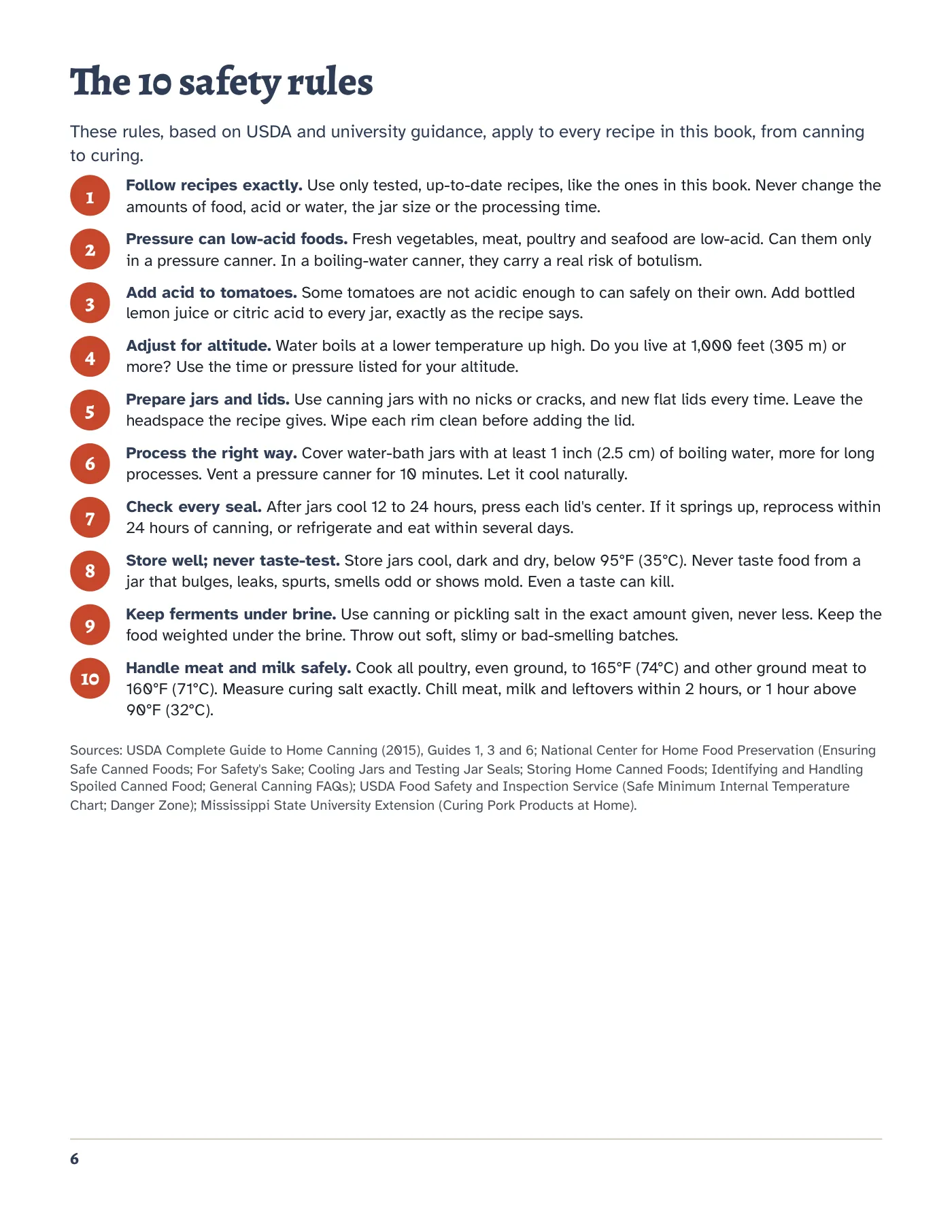
Also in the book: the 10 safety rules, the old methods we left out and why, five reference charts (processing times, jar sizes and headspace, storage life, conversions with a US, UK and Australian word list, and a seasonal calendar for both hemispheres) and an index.

Look inside

Tap a page to see it larger.

Why this book

Clear pages you can follow at the counter

  • One illustrated page per skill

    Every skill fits on one page, so there is no flipping back and forth. A large picture shows the result, and each step has its own small picture, so you can see what to do.

  • Tested methods

    Canning recipes follow the USDA Complete Guide to Home Canning (2015) and the National Center for Home Food Preservation. Every processing time, temperature and storage time comes from a research-based source, such as the USDA, the FDA or a US university extension service.

  • US and metric units

    US measures come first, with metric in brackets: 1 cup (240 ml), 212°F (100°C). A conversion chart sits in the back of the book.

  • Made for US, UK, Canadian and Australian kitchens

    A word list turns canning into bottling and zucchini into courgette. The seasonal calendar gives the months for both hemispheres.

Safety first

Old methods we left out, and why

You may still see these in old recipes or online. Each one is unsafe or untested, so the book leaves it out. Page 7 of the book explains each one in full.

  • Open-kettle canningHot food sealed in jars with no canner. The heat cannot kill all the germs, and the seals often fail.
  • Oven, microwave or dishwasher canningThe heat is uneven and moves too slowly into the food. Jars can burst in an oven.
  • "Canned" butter, milk or cheeseThere is no tested way to can them at home. Fat can shield botulism spores from the heat.
  • Bread or cake baked in jarsSealed in a jar, these low-acid foods can let botulism grow. Freeze baked goods instead.
  • Garlic, herbs or vegetables in oil at room temperatureOil shuts out air, and botulism can grow. Keep them in the fridge for a short time, or freeze them.
  • Low-acid foods in a water bathVegetables, meat and seafood need the higher heat of a pressure canner.
  • Paraffin wax sealsWax can let mold in. Tested recipes use two-piece lids and a short water bath.
  • Made-up canning recipesA safe canning time comes from lab testing. You cannot guess it.
  • Canned pumpkin butter or mashed squashToo thick and too varied for one safe time. Freeze it instead.
Free with the ebook

Two printable bonuses

Download and print them, as often as you like, for your own kitchen.

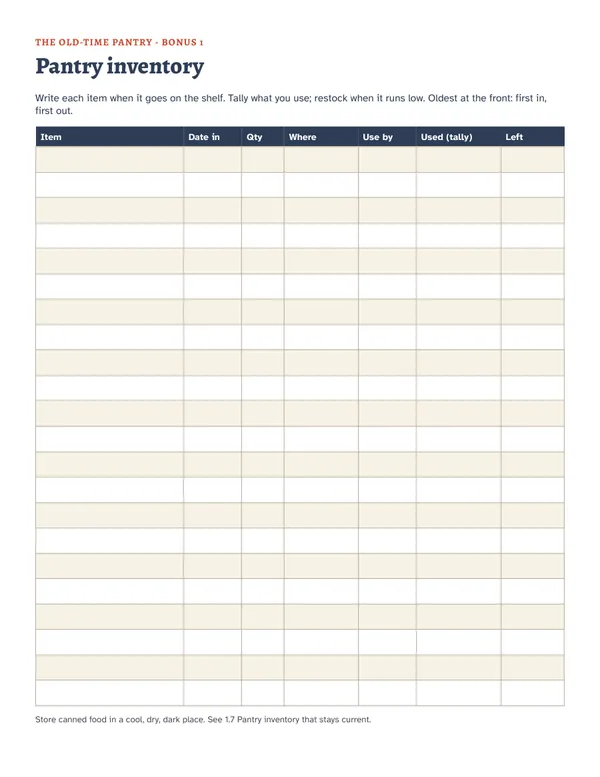
The first page of the Printable Pantry Inventory & Canning Log
Bonus 1

Printable Pantry Inventory & Canning Log

Three printable sheets: a pantry inventory, a canning log and a ferment and cure log. In US Letter and A4, so you can print as many as you need.

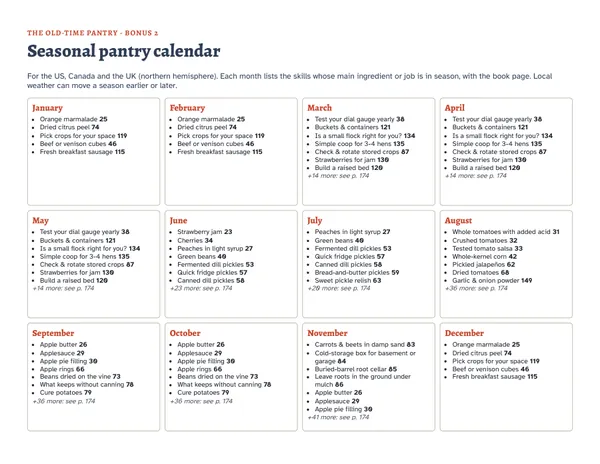
The first page of the Seasonal Pantry Calendar
Bonus 2

Seasonal Pantry Calendar

Month by month, the skills that are in season, with their page numbers. One calendar for the US, Canada and the UK, one for Australia, and a list of skills for any time of year.
Book details

What you get

The front cover of The Old-Time Pantry: painted scenes of families gardening, canning, baking, curing and cooking, with the title on a red banner.
Format
PDF ebook (about 40 MB), instant download
Pages
176 full-color pages, each 8.5 x 11 in (US Letter)
Skills
150, in 12 chapters
Pictures
More than 1,000 color illustrations
Reads on
Any phone, tablet or computer
Finding things
Clickable contents, index and bookmarks
Units
US measures first, metric in brackets
Also inside
10 safety rules, 5 reference charts, an index
In print
A coil-bound printed edition is coming. Join the waiting list
Publisher
Oakwise Press, first edition, 2026
60 DAY MONEY BACK

60-day money-back guarantee

If the ebook is not right for you, email us within 60 days of your order and we will give you your money back in full. Keep the bonuses.

The guarantee comes on top of your rights under the law where you live. Read the refund policy.

Want it in print?

A coil-bound copy in full color that lies flat on the counter. Join the waiting list and we will email you when it is ready. There is no date yet, and joining costs nothing.

We will use your address only to tell you about the printed edition. Privacy

Questions

Questions and answers

What do I get?

The whole book as a PDF ebook, plus both bonus PDFs. As soon as you pay, you get an email with your download link.

What format is the ebook?

A PDF of all 176 pages, with the front and back covers. It is about 40 MB, with clickable contents, index and bookmarks, and it opens on any phone, tablet or computer.

Can I print pages from the ebook?

Yes. Print any page you want to keep by the stove, for your own household. The bonus sheets are made for printing.

Is there a printed edition?

Not yet. A coil-bound printed edition in full color is coming. Join the waiting list and we will email you when it is ready.

Can I buy it outside the US?

Yes. The ebook works anywhere in the world. The price is in US dollars, and your bank converts it. If tax applies where you live, the checkout adds it and shows you the total before you pay.

Can I get a refund?

Yes. If the ebook is not right for you, email us within 60 days of your order for your money back in full. Keep the bonuses. Refund policy.

Are the methods safe?

The book follows tested, research-based guidance. Canning recipes follow the USDA Complete Guide to Home Canning (2015) and the National Center for Home Food Preservation. Every processing time, pressure, headspace, temperature and storage time comes from a research-based source, such as the USDA, the FDA or a US university extension service. Methods that are unsafe or untested are left out (see the list above).

Safety depends on following each recipe exactly, so the book starts with 10 safety rules and marks every real hazard in a red box. The book does not give medical advice.

Is it good for beginners?

Yes. Each page shows the time, the difficulty (one to three dots) and the cost, so you can start with the easy ones. The pages at the front explain how the book works and the safety rules.

How do I pay?

Checkout is run by Gumroad, which takes your payment securely. We never see your card details.

Another question? Email support@oakwisepress.com.

Get the book

Start filling your shelves

Instant download

The Old-Time Pantry: the ebook

$19 one payment, in US dollars

  • All 176 pages as a PDF, in full color
  • Clickable contents, index and bookmarks
  • Both bonus PDFs
  • 60-day money-back guarantee
Get the ebook – $19(checkout opens soon)

Want it in print? Join the waiting list. Questions? support@oakwisepress.com

The ebook$19, instant download

Get the ebook